
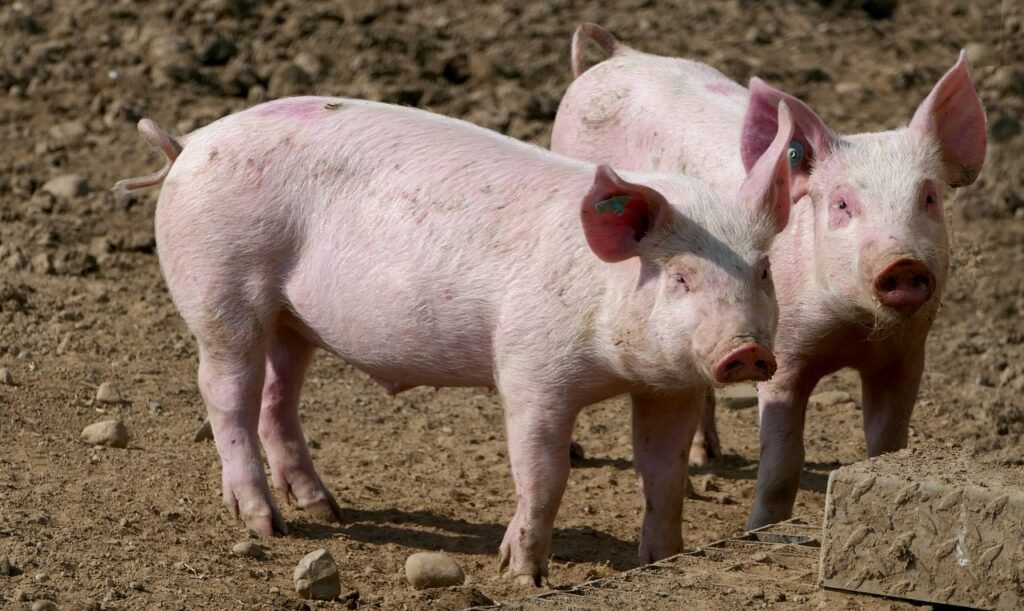
In the realm of animal husbandry, maintaining the health and appearance of livestock is of paramount importance. Pigs, in particular, are known for their delicate skin and lustrous coats. As a producer of green feed additives, it’s my pleasure to share insights into the best trace elements to enhance pig skin and coat health.
The Significance of Trace Elements
Before we dive into the specific trace elements that can work wonders for pig skin and coat, let’s understand why these micronutrients are crucial. Trace elements are vital minerals that are required in tiny amounts, but they play a significant role in the overall health and well-being of pigs.
Zinc: The Skin’s Best Friend
One of the most important trace elements for improving pig skin health is zinc. This remarkable mineral assists in various physiological processes, including wound healing and collagen synthesis. Collagen is essential for skin elasticity and strength, making it a key component in maintaining a pig’s supple skin.
Selenium: A Shiny Coat’s Secret
When it comes to achieving a shiny and lustrous coat for your pigs, selenium is the trace element to focus on. Selenium supports the production of selenoproteins, which are essential for maintaining the integrity of hair and skin. It also acts as a powerful antioxidant, preventing damage to the skin and coat caused by oxidative stress.
Copper: The Pigment Enhancer
Copper is another trace element that shouldn’t be overlooked. It plays a crucial role in the pigmentation of skin and hair. Adequate copper levels in a pig’s diet can help maintain the vibrancy of its coat color and prevent any undesired fading.
Manganese: Strengthening Skin Structure
Manganese is instrumental in the formation of connective tissues in the skin. This trace element ensures that the skin remains strong and resilient, which is particularly important for outdoor-reared pigs exposed to various environmental conditions.
Implementing the Right Diet
Now that we’ve highlighted the key trace elements for enhancing pig skin and coat, the next step is to incorporate them into your pig’s diet effectively.
To achieve optimal results, consult with a qualified veterinarian or animal nutritionist. They can formulate a well-balanced diet that includes the right combination of trace elements, ensuring your pigs receive the necessary nutrients for skin and coat health.
Transitioning to a Healthier Coat
Transitioning to a diet that incorporates these essential trace elements may take some time. It’s essential to monitor your pigs’ progress and make adjustments as needed.
Remember, the road to healthier pig skin and a shinier coat requires patience, but the results will be well worth the effort.
In conclusion, ensuring the optimal health of your pigs’ skin and the shininess of their coat comes down to the right trace elements in their diet. Zinc, selenium, copper, and manganese are the key players in this endeavor. So, take the first step toward healthier, happier pigs by focusing on their nutrition.